Rat and Rodent Control
Professional Rodent Management by Malabar Pest Control
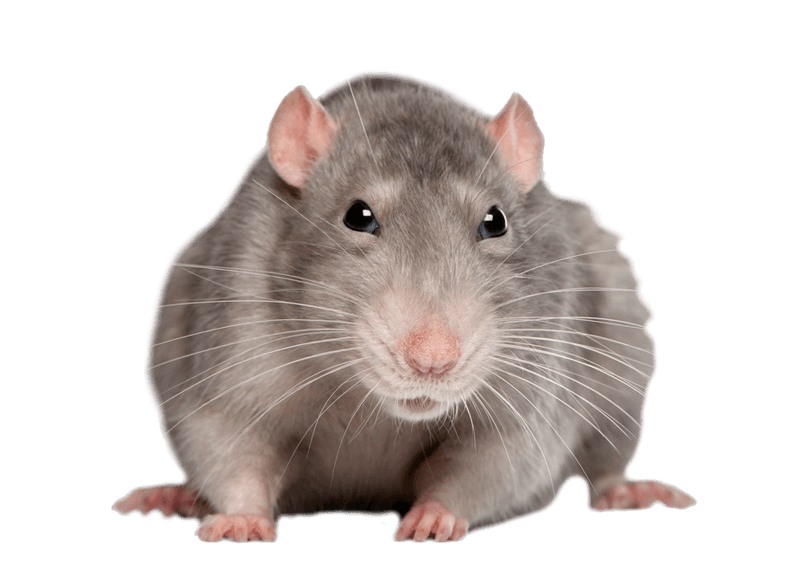
Rats and mice are among the most troublesome pests found in residential, commercial and industrial premises. They can enter buildings through small openings, drainage connections, service ducts, gaps beneath doors and damaged structural areas. Once inside, rodents can reproduce quickly, contaminate food, damage property and create serious hygiene concerns.
In Dubai, rodent activity may occur in restaurants, hotels, supermarkets, warehouses, residential buildings, waste storage areas, commercial kitchens, construction sites and other premises where food, water and shelter are available.
Rats and mice are highly adaptable. They can hide inside ceilings, wall voids, storage areas, equipment spaces, drainage-related structures and other concealed locations. Treating only the areas where rodents are seen may not eliminate the infestation if their entry routes and harbourage areas remain accessible.
At Malabar Pest Control, we provide professional rat and rodent control services across Dubai. Our approach focuses on identifying rodent species, assessing infestation levels, locating entry points, determining movement patterns and implementing an appropriate Integrated Pest Management (IPM) programme.
Our objective is to reduce rodent activity, protect food and property, improve hygiene conditions and help prevent future infestations through inspection, targeted control, monitoring and preventive recommendations.
Types of Rats and Rodents and Their Life Cycle
Correct identification helps determine the most suitable control strategy because different rodent species have different nesting habits, movement patterns and feeding preferences.
Norway Rat (Rattus norvegicus)
The Norway rat, also known as the brown rat, is a relatively large, robust rodent with a blunt snout, small ears and a thick tail that is generally shorter than its body length.
Common hiding places:
- Drainage systems and sewer-related areas
- Ground-level storage rooms and basements
- Waste collection areas
- Beneath equipment and stored materials
- Burrows in soil near buildings
- Areas around building foundations
Behaviour: Norway rats commonly travel along established routes near walls and sheltered edges. They may burrow in soil or nest in concealed ground-level locations. Food waste, accessible water and structural openings can encourage their presence around buildings.
Roof Rat (Rattus rattus)
Roof rats, sometimes called black rats, are generally more slender than Norway rats. They have relatively large ears, a pointed snout and a long tail that is often longer than the body.
Common hiding places:
- False ceilings and roof spaces
- Upper storage areas
- Wall voids and service ducts
- Trees and vegetation near buildings
- Cable routes and utility spaces
- Sheltered areas above kitchens and warehouses
Behaviour: Roof rats are agile climbers and frequently use elevated routes. Their activity may be concentrated in ceilings, roof spaces and upper floors, making a thorough inspection important when scratching sounds or droppings are found overhead.
House Mouse (Mus musculus)
House mice are small rodents with relatively large ears, a pointed snout and a long, slender tail.
Common hiding places:
- Kitchen cupboards and pantries
- Storage rooms and cartons
- Behind refrigerators and other appliances
- Inside wall voids and ceiling spaces
- Around pipe openings and service penetrations
- Beneath shelving and stored materials
Behaviour: House mice can squeeze through very small openings and may establish nests close to food sources. Their small size and ability to hide in narrow spaces can make infestations difficult to detect at an early stage.
Other Rodents
Depending on the location and environment, other rodents may occasionally be encountered around buildings and outdoor areas. Species identification should be based on physical evidence, droppings, tracks, nesting signs and inspection findings.
Not every rodent sighting indicates the same species or source. A professional assessment helps determine whether the problem involves indoor mice, rats entering from external areas or activity associated with waste and drainage infrastructure.
Understanding the Rodent Life Cycle
Rats and mice are mammals rather than insects. Their development does not involve egg, larval and pupal stages.
Birth
Female rodents give birth to live young following a pregnancy. The pregnancy period varies by species and conditions.
Juvenile stage
Young rodents initially depend on their mother for nourishment and protection. They develop rapidly and begin exploring their surroundings as they grow.
Adult stage
Rats and mice can reach reproductive maturity within a relatively short period. Under favourable conditions, they may produce multiple litters, allowing populations to increase quickly.
Reproduction rates depend on species, food availability, shelter, environmental conditions and other factors. Early intervention is important because a small rodent problem can develop into a larger infestation if food, water and nesting sites remain available.

Signs of a Rat or Mouse Infestation
Rodents are often active during periods when people are less likely to notice them. However, several signs may indicate their presence.
Rodent droppings: Small, dark droppings may be found near food storage, along walls, inside cupboards, in warehouses or near nesting areas. Size and shape can help with identification, but droppings alone may not reliably confirm the species.
Scratching and movement sounds: Scratching, scurrying or gnawing sounds may come from ceilings, walls, false ceilings or concealed spaces.
Gnaw marks: Rats and mice gnaw on packaging, wood, plastic and other materials. Fresh gnaw marks may indicate ongoing activity.
Damaged food packaging: Torn bags, damaged cartons and food containers with bite marks may indicate rodent access.
Grease marks and runways: Rodents may leave dark marks along frequently used routes where their bodies contact walls or other surfaces.
Nesting materials: Shredded paper, fabric, insulation and other materials may be used to build nests.
Footprints and tail marks: Dusty or muddy areas may show tracks or tail marks near rodent pathways.
Unusual odours: Rodent urine, droppings and concealed carcasses can produce unpleasant odours, particularly in enclosed areas.
Pet behaviour: Pets may repeatedly focus on walls, cupboards or other areas where rodents are active. This may be a clue but is not proof of infestation.
Daytime sightings: Rats and mice are often more active at night, although daytime sightings can occur for several reasons, including high population density, disturbance or changes in food availability.
If signs are detected, avoid handling droppings, nesting materials or dead rodents directly. A professional inspection can identify activity areas and guide safe control and cleaning measures.
Causes of Rodent Infestations and Common Hiding Places
Rodents enter premises in search of food, water, shelter and suitable nesting locations. Even well-maintained properties can experience rodent problems when nearby populations have access to the building.
Common Causes
Accessible food
Uncovered food, food waste, animal feed, spilled ingredients and poorly stored products attract rodents.
Poor waste management
Overflowing bins, uncovered rubbish containers and accumulated waste can provide food and shelter.
Structural openings
Gaps beneath doors, damaged vents, cracks around pipes and openings in walls can provide access.
Drainage and sewer connections
Some rodents may travel through drainage-related infrastructure or enter near damaged or inadequately protected access points.
Nearby construction or disturbance
Changes to surrounding land, building work or disturbance of existing harbourage may alter rodent movement and encourage entry into nearby premises.
Clutter and stored materials
Cardboard, unused equipment, stacked goods and other clutter can provide nesting sites and conceal rodent activity.
Water and moisture
Leaking pipes, standing water and accessible water sources can support rodent survival.
External harbourage
Dense vegetation, unmanaged storage areas, waste collection points and burrows near buildings may support rodent activity.

Common Rodent Harbourage Areas
- False ceilings and roof voids
- Wall cavities and service ducts
- Behind refrigerators and commercial kitchen equipment
- Under shelving and storage racks
- Inside warehouses and delivery areas
- Around drainage channels and utility openings
- Beneath outdoor equipment and stored materials
- Near rubbish bins and waste storage rooms
- Burrows close to building foundations
- Areas behind cabinets, appliances and inaccessible fittings
Identifying the source and entry route is essential. Removing rodents without addressing the conditions that allow them to enter may result in repeated infestations.
Our Professional Rat and Rodent Control Methods and Treatments – Integrated Pest Management (IPM)
At Malabar Pest Control, our rodent management programme follows an Integrated Pest Management (IPM) approach. This combines inspection, exclusion, trapping, appropriate baiting where required, sanitation, monitoring and corrective recommendations. The control plan is tailored to the rodent species, infestation severity, building layout, activity patterns and site-specific safety requirements.
Detailed Inspection and Risk Assessment
Our technicians inspect the premises to identify signs of rodent activity, potential nesting locations, entry points, feeding areas and travel routes.
The inspection may cover:
- Kitchens and food storage areas
- Warehouses and stockrooms
- False ceilings and roof spaces
- Wall voids and service penetrations
- Waste storage areas and loading bays
- Drainage-related locations and external boundaries
- Equipment rooms and utility spaces
- Gardens, building foundations and external harbourage areas
The findings help determine the likely rodent species and the extent of the infestation.
Rodent Identification and Activity Mapping
Droppings, gnaw marks, tracks, nesting material and movement patterns are assessed to help identify the rodent species and determine active areas.
Where appropriate, the technician maps likely travel routes and identifies locations requiring monitoring or control devices.
Understanding whether rodents are nesting indoors or entering from external areas is important for selecting effective control measures.
Rodent Trapping
Trapping may be used as part of the control programme, especially in indoor areas where rodenticide use is unsuitable or restricted.
Depending on the site, suitable traps may be positioned along confirmed rodent routes, near harbourage areas or in other locations identified during inspection.
Effective trapping requires appropriate placement, secure positioning, regular inspection and safe handling. Traps must be selected and positioned to reduce risks to children, pets, non-target animals and staff.
Rodent Baiting Where Appropriate
Where necessary and legally permitted, a suitable registered rodenticide may be used as part of a controlled baiting programme.
Baiting decisions depend on the infestation level, site conditions, food safety requirements and potential exposure to non-target animals.
A responsible baiting programme includes:
- Selecting an appropriate registered product
- Using suitable tamper-resistant bait stations where required
- Positioning stations in identified rodent activity areas
- Preventing access by children, pets and non-target animals
- Protecting food, feed, utensils and food-contact surfaces
- Inspecting stations and recording activity
- Removing and disposing of bait or rodent carcasses according to applicable instructions
Rodenticides should only be used by trained and authorised personnel in accordance with product labels and applicable requirements. They must never be placed casually in areas accessible to people or non-target animals.
Entry-Point Sealing and Rodent Exclusion
Exclusion is one of the most important parts of long-term rodent management. Removing rodents without closing access points may allow new animals to enter.
Potential corrective measures include:
- Sealing suitable gaps around pipes and cables
- Repairing damaged door seals
- Installing appropriate door sweeps
- Repairing damaged vents and protective screens
- Sealing cracks and structural openings using rodent-resistant materials
- Repairing damaged drainage covers or other access points where necessary
- Protecting suitable ventilation and service openings without obstructing their intended function
The correct repair method depends on the location, building material and operational requirements. Openings should be assessed before sealing to avoid trapping animals inside walls or other inaccessible spaces
External Harbourage and Waste Management
Outdoor conditions can support rodent populations and contribute to repeated entry into buildings.
Where relevant, recommendations may include:
- Keeping waste bins closed and in good condition
- Removing accumulated waste and unnecessary clutter
- Storing materials away from walls where practical
- Reducing dense vegetation immediately adjacent to buildings
- Correcting leaks and removing unnecessary standing water
- Inspecting burrows and rodent activity around foundations
- Maintaining appropriate housekeeping in loading and storage areas
Outdoor control must be planned carefully to avoid creating risks for wildlife, pets and other non-target animals.
Monitoring and Follow-Up
Rodent control requires ongoing monitoring to assess whether activity is decreasing and whether new access points remain active.
Follow-up inspections may include:
- Checking traps and bait stations
- Reviewing fresh droppings and gnaw marks
- Inspecting previously active routes
- Assessing repairs and exclusion measures
- Identifying new rodent entry points
- Updating the control plan when necessary
The monitoring schedule depends on the infestation level, premises type, control method and applicable service requirements.
Cleaning, Disinfection and Preventive Recommendations
After rodent activity has been controlled, affected areas may require appropriate cleaning and disinfection.
Customers should avoid sweeping or vacuuming dry droppings and nesting material because this can disperse contaminated dust. Cleaning should follow appropriate public-health guidance and product instructions. Heavily contaminated areas may require specialist cleaning.
We also recommend that customers:
- Store food and animal feed in sealed, rodent-resistant containers.
- Remove food residue and spills promptly.
- Keep rubbish containers closed.
- Maintain regular cleaning schedules.
- Reduce clutter in storage areas.
- Repair water leaks and other moisture sources.
- Inspect incoming goods and deliveries where appropriate.
- Report new droppings, gnaw marks or sightings promptly.
Combining these measures with monitoring and exclusion helps reduce the likelihood of recurrence.
Common Questions
Frequently Asked Questions About Rat and Rodent Control
Question that you may have regarding the rat and rodent control
How long does rodent control take?
The time required depends on the species, infestation level, access points and selected control methods. Some problems may improve within a short period, while established infestations require continued monitoring and corrective action.
Why do rats keep returning after treatment?
Rodents may continue entering through structural gaps, drainage-related access points or external harbourage areas. If food, water and shelter remain available, the property may continue attracting rodents.
Are rats and mice dangerous?
They can create health and hygiene risks by contaminating food and surfaces, and they may damage wiring and property. Avoid direct contact with rodents, droppings and nesting materials.
Is trapping or baiting better?
Neither method is ideal for every situation. Trapping may be preferred in certain indoor or sensitive areas, while controlled baiting may be appropriate in other circumstances. The decision depends on site conditions, safety requirements and infestation severity.
Can rats enter through drains?
Some rats use drainage-related infrastructure or enter buildings through openings near drains and utility connections. A site inspection is needed to identify the actual access route and determine appropriate corrective measures.
Can rodents enter through small gaps?
Yes. Mice can pass through very small openings, while rats can exploit gaps around doors, pipes, vents and damaged structural areas. Sealing suitable openings is an important part of prevention.
Will one treatment eliminate rats or mice?
A single visit may reduce activity, but complete control cannot be guaranteed after one treatment. Trapping or baiting, exclusion, monitoring and follow-up may be needed.
How can I prevent rodent infestations?
Keep food securely stored, manage waste properly, reduce clutter, seal suitable openings, repair leaks and monitor areas where rodents may enter.

Book Professional Rat and Rodent Control in Dubai
Rodent infestations can threaten food hygiene, property, equipment and business operations. Early identification and a structured control programme can help prevent a small problem from becoming more serious.
Malabar Pest Control provides professional rat and rodent inspection, treatment, monitoring and preventive pest-management services across Dubai.
Contact our team to arrange an inspection and receive a rodent-control plan tailored to your premises.